

Blog
Matcha Explained: From Tradition to a Growing Global Industry

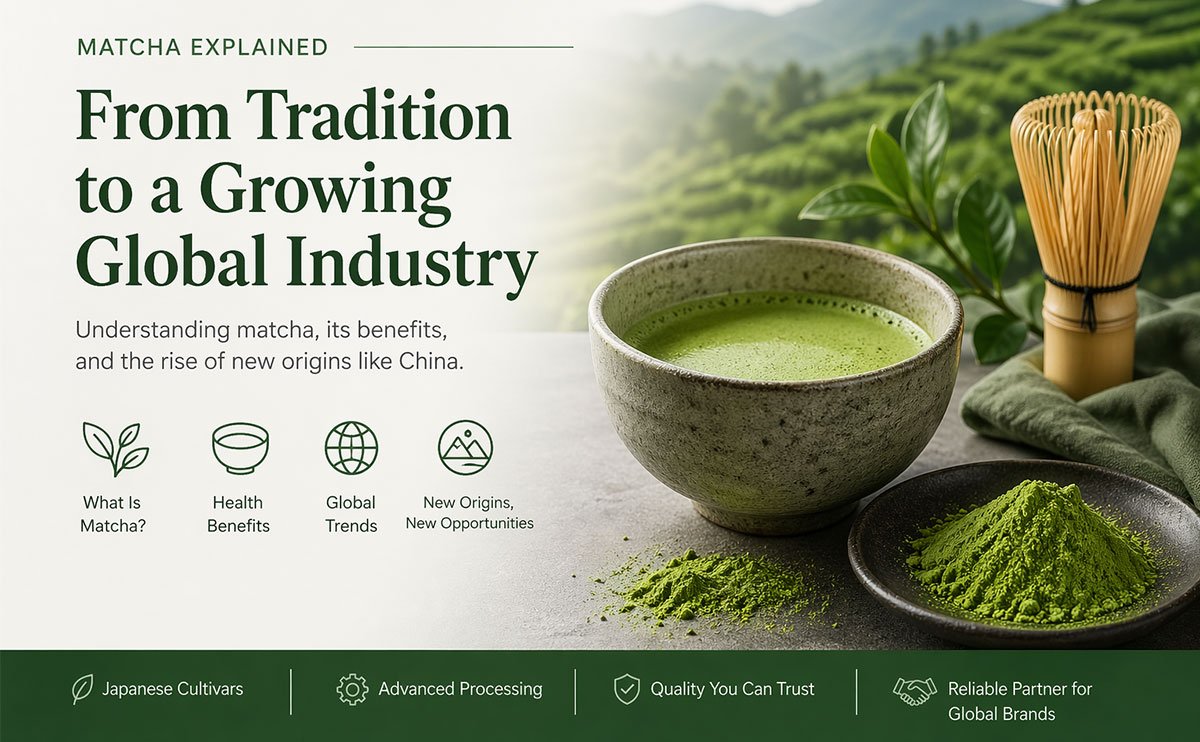
For years, matcha has been closely associated with Japan — a symbol of tradition, craftsmanship, and refined tea culture.
But today, matcha is no longer limited to one origin.
As global demand continues to rise, a new conversation is emerging:
not just what matcha is, but where it comes from — and where it’s going next.
What Is Matcha?
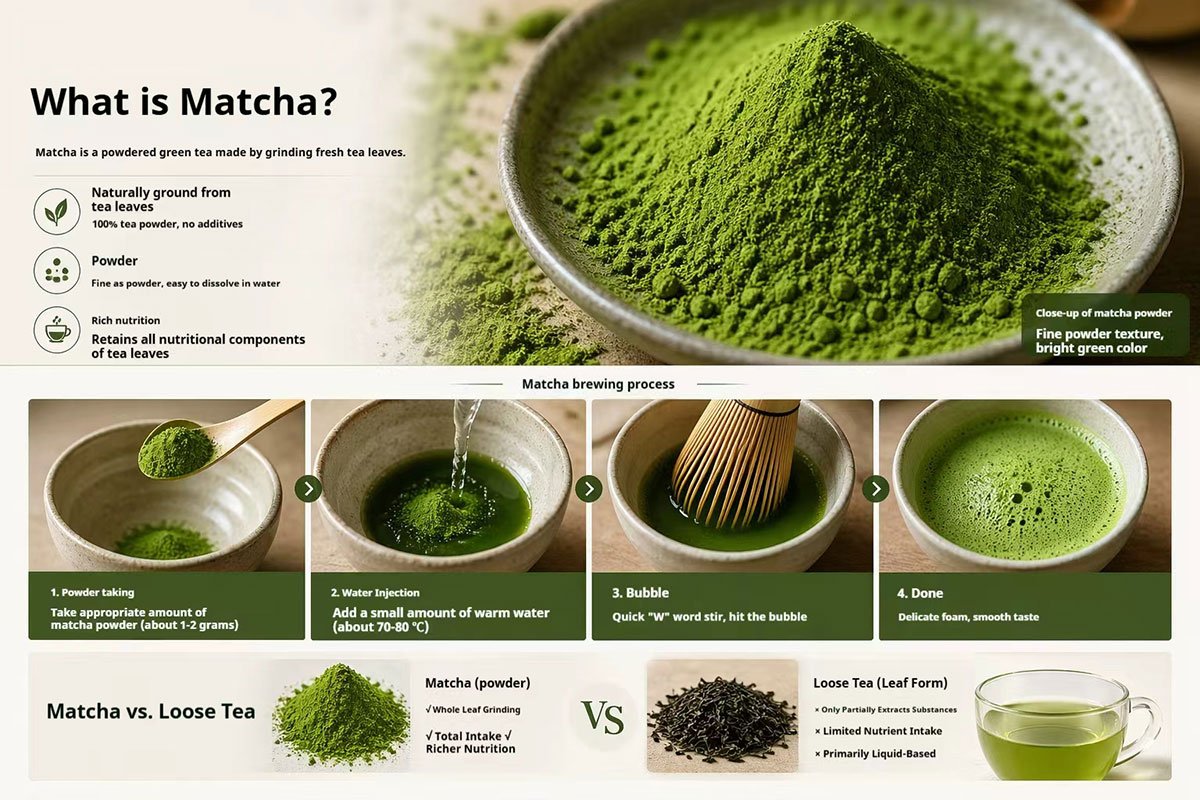
Matcha is a finely ground powder made from specially grown green tea leaves. Unlike traditional loose-leaf tea, where leaves are steeped and discarded, matcha is consumed whole — meaning you ingest the entire leaf and its nutrients.
The process begins weeks before harvest:
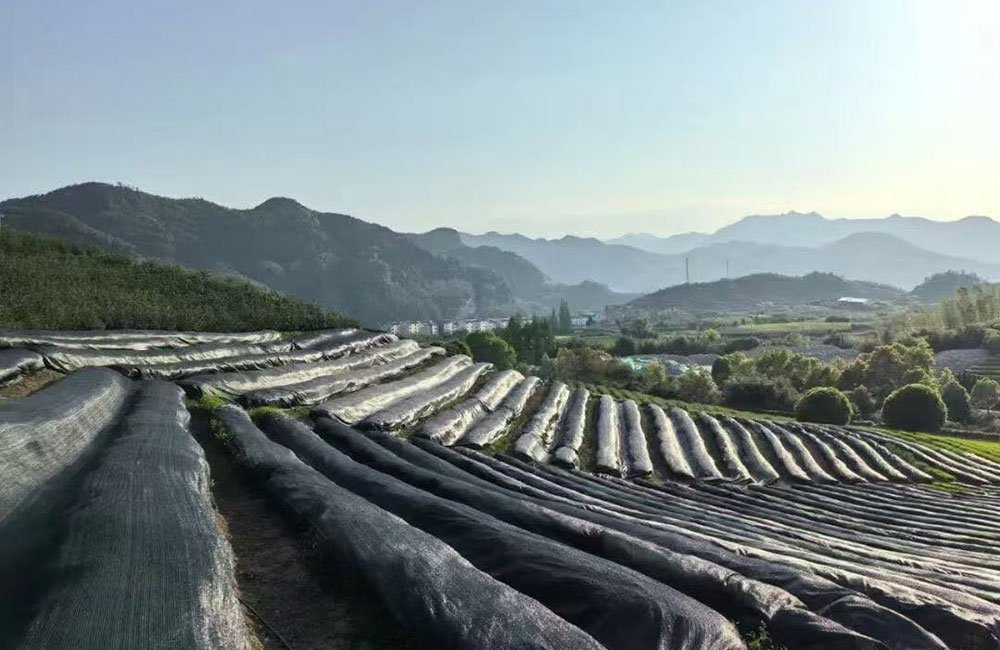
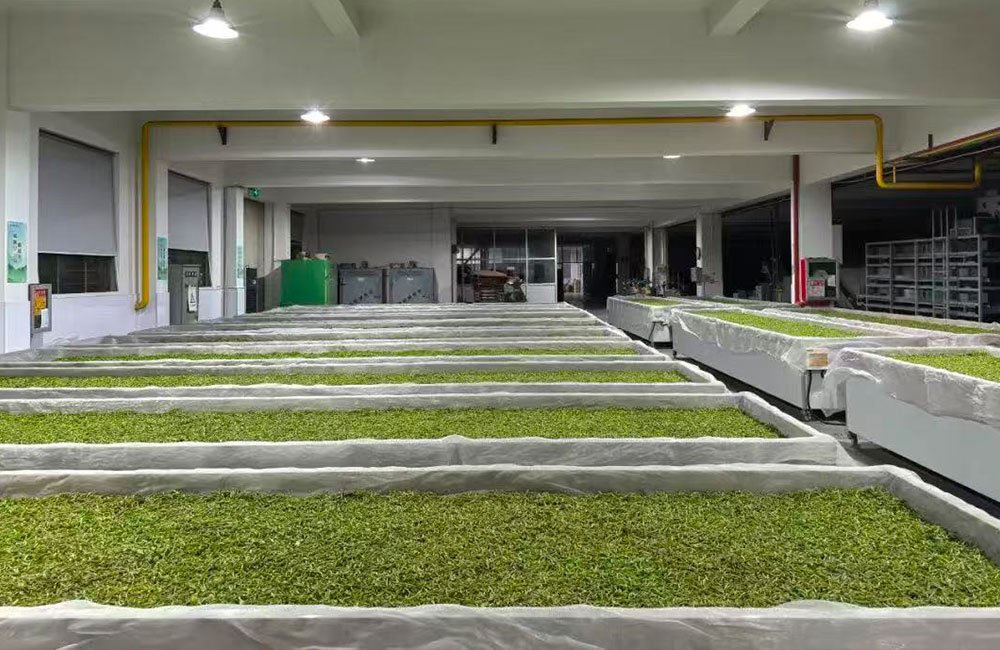
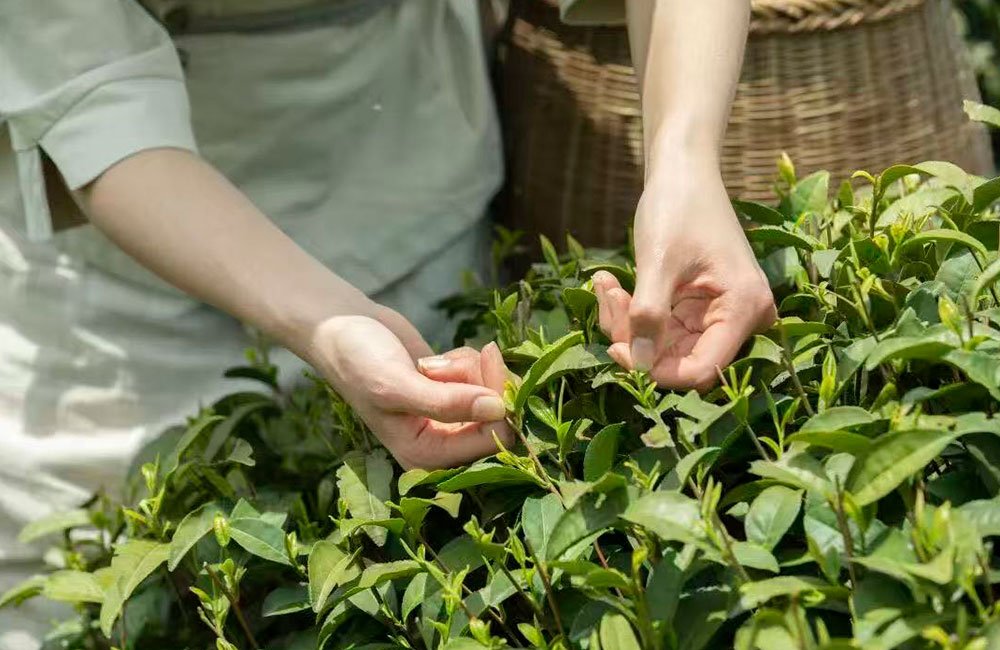
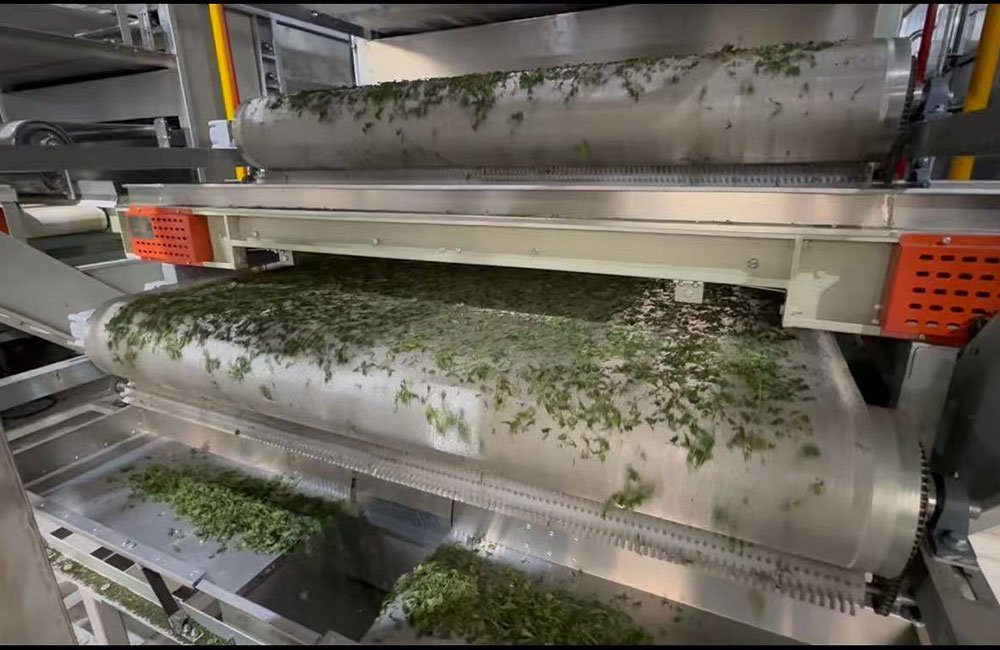
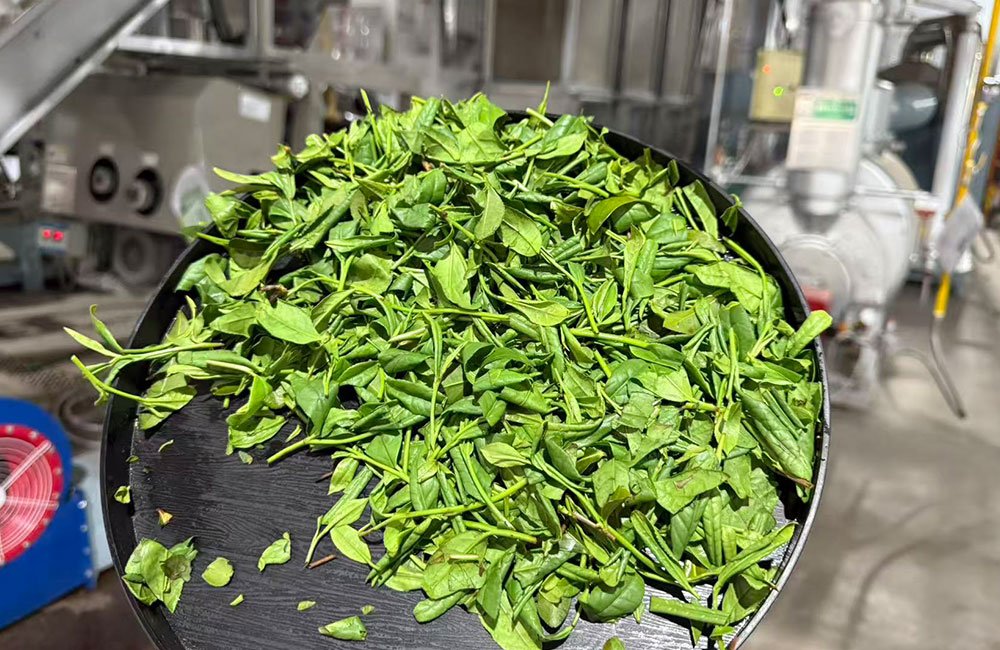
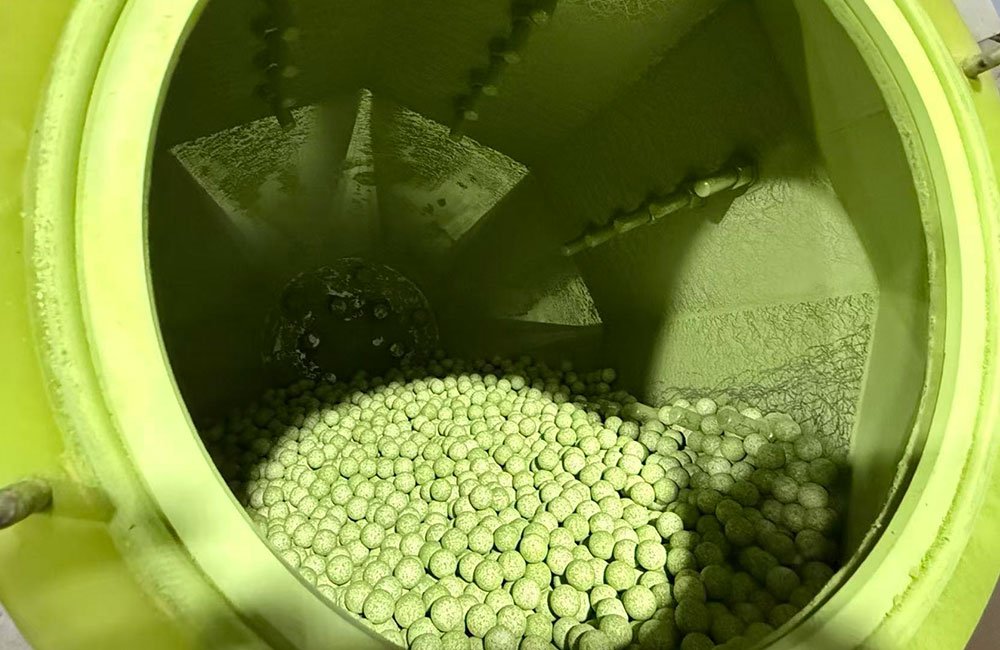
Tea plants are shaded, typically by erecting shade structures above them or using coverings such as black netting or straw, to keep them in a low-light environment for about 20 days before harvest. This process promotes an increase in chlorophyll and amino acid content. After harvesting, the tea leaves undergo steam fixation and drying, and are finally ground into a vibrant, emerald-green powder—the matcha we all know—using stone mills or modern ball mills.
This unique process gives matcha its:
- Rich umami flavor
- Smooth texture
- Bright green color
- Concentrated nutritional profile
Why Is Matcha So Popular?
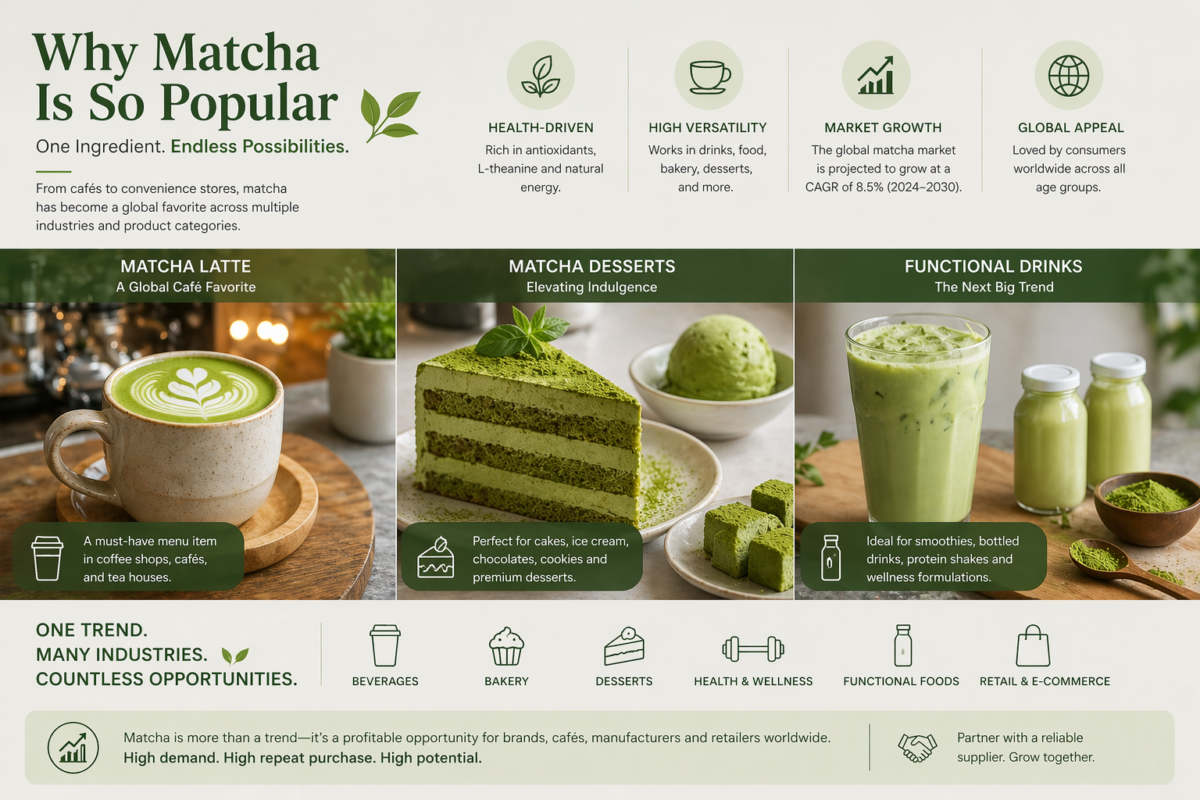
Matcha has seen explosive global growth in recent years — and for good reason.
Health Appeal
Matcha is known for its antioxidants, particularly catechins, as well as its natural caffeine combined with L-theanine, which promotes calm focus.
☕ Versatility
From traditional tea ceremonies to modern lattes, desserts, skincare, and functional beverages, matcha has become a cross-industry ingredient.
Global Demand
Consumers worldwide are embracing matcha not just as a drink, but as a lifestyle product.
A Changing Market: Beyond One Origin
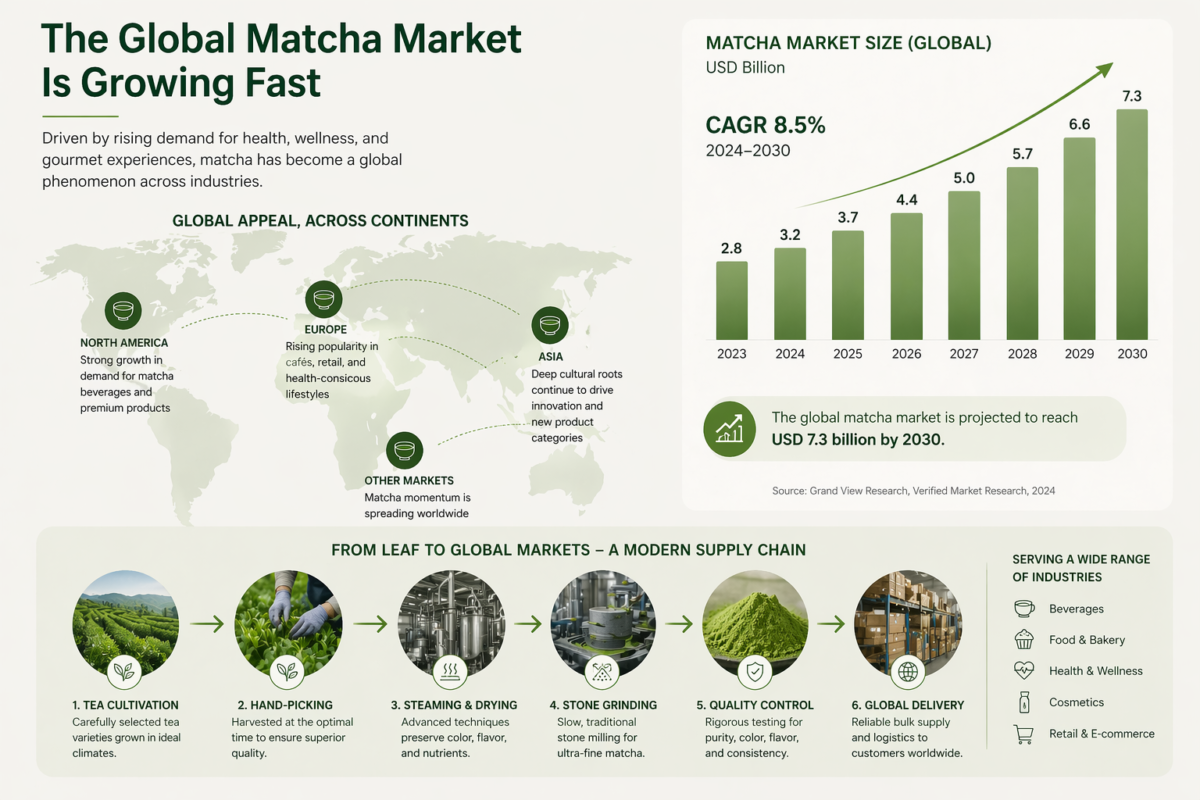
While Japan remains the historical home of matcha, the global market is evolving rapidly.
With rising demand comes new challenges:
- Supply limitations
- Increasing costs
- Long lead times for bulk orders
As a result, more brands, distributors, and beverage companies are beginning to explore new sourcing regions.
The focus is shifting toward:
- Stable supply chains
- Scalable production
- Consistent quality
- The Rise of Chinese Matcha
Among emerging origins, China is becoming an increasingly important player in the global matcha industry.
With a long history of tea cultivation and expanding modern processing capabilities, China offers a unique combination of tradition and efficiency.
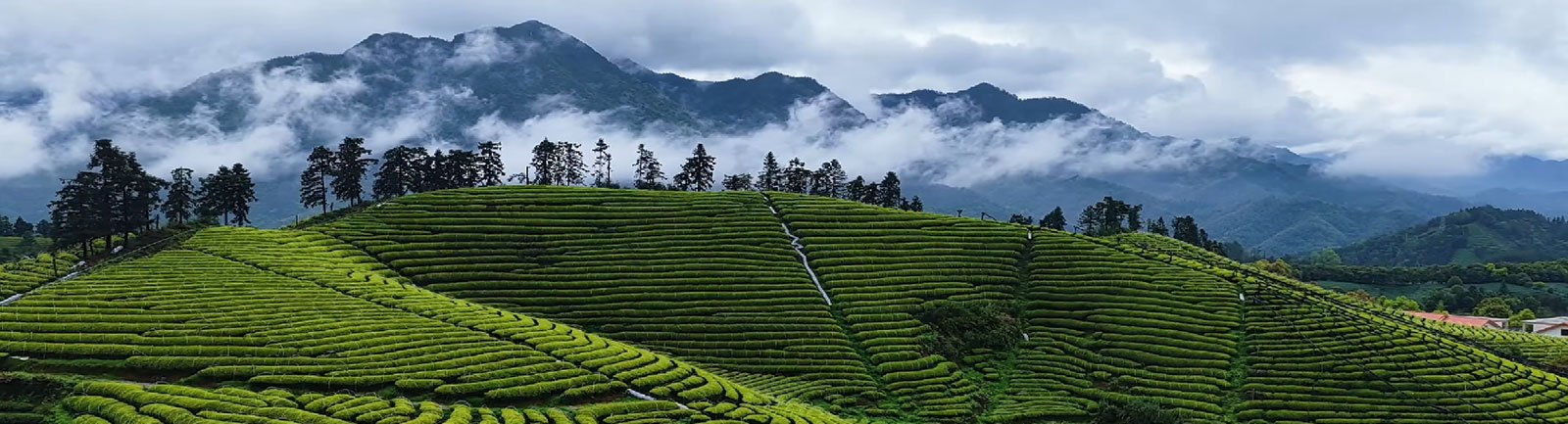
Zhejiang: A Key Tea Region
Located in eastern China, Zhejiang province is one of the country’s most established tea-producing regions.
Its advantages include:
- Ideal climate and soil for tea cultivation
- Deep-rooted agricultural expertise
- Strong infrastructure for large-scale production
Within Zhejiang, regions like Wuyi are gaining attention for their ability to produce high-quality matcha at scale.
Combining Tradition with Modern Production
Today’s Chinese matcha producers are not simply replicating — they are evolving.
Leading manufacturers are adopting:
- Japanese-origin tea cultivars for authentic flavor profiles
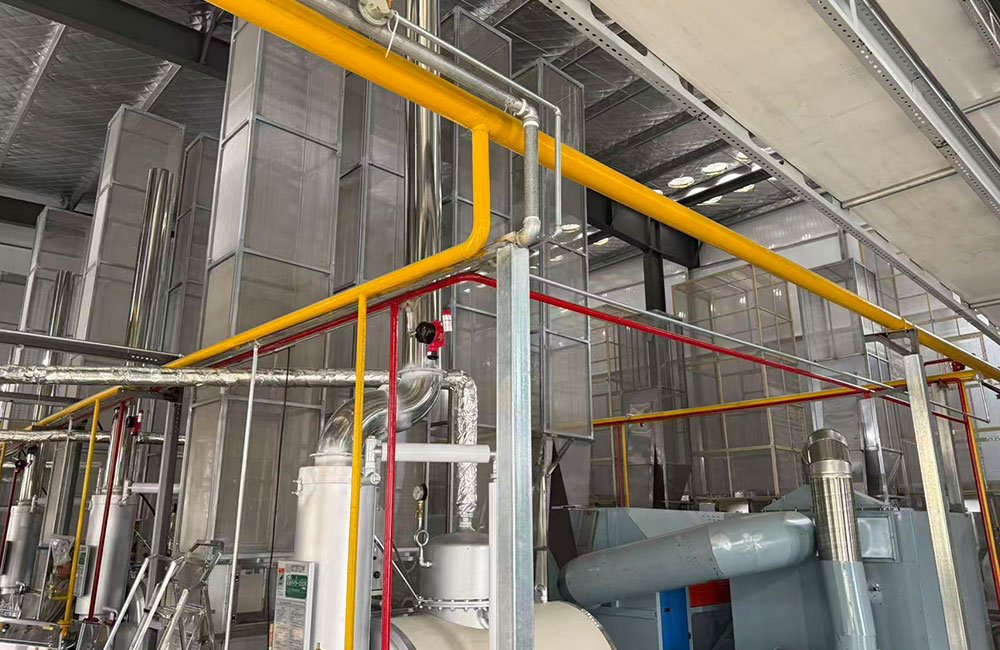
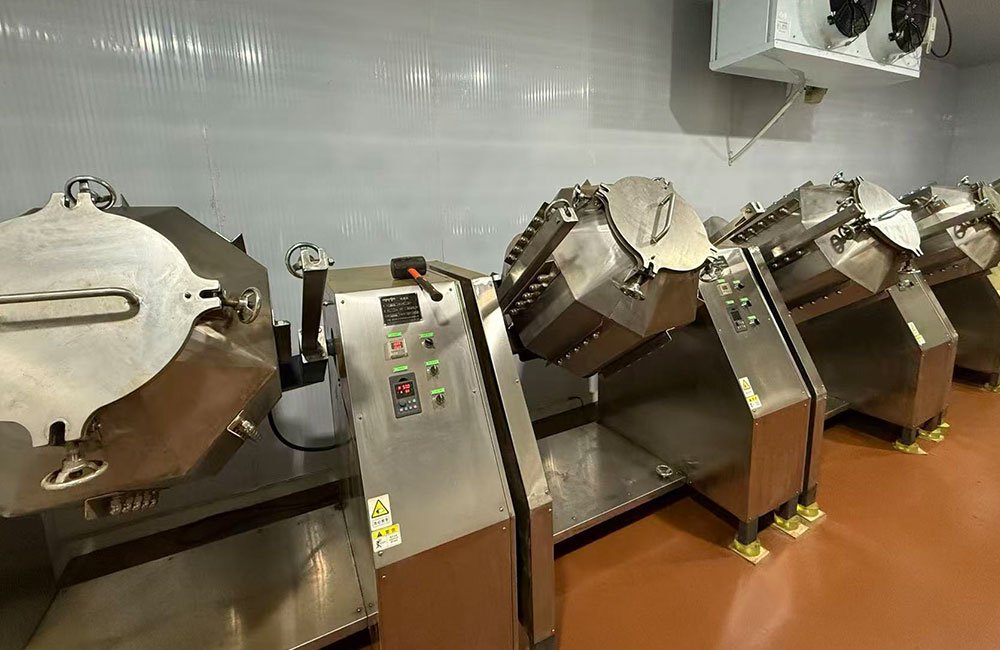
- Advanced processing equipment for precision and consistency
- Strict quality control systems for global standards
This combination allows for:
- Competitive pricing
- Reliable bulk supply
- Customization for brands (OEM / private label)
What This Means for Buyers and Brands?
For businesses sourcing matcha, the landscape has changed.
It’s no longer about choosing one origin over another —
it’s about finding the right balance between:
- Quality
- Consistency
- Scalability
- Cost efficiency
Chinese matcha is increasingly being recognized not as an alternative,
but as a practical and reliable option in a growing global market.
Looking Ahead: The Future of Matcha
Matcha’s growth shows no signs of slowing down.
As more consumers discover its benefits and versatility, demand will continue to expand across industries — from beverages to wellness to beauty.
At the same time, sourcing strategies will become more diversified.
Forward-thinking brands are already adapting by exploring new origins and building flexible supply chains.
Final Thoughts
Understanding matcha today means understanding both its roots and its evolution.
From traditional tea fields to modern global production, matcha is entering a new era — one defined by innovation, accessibility, and opportunity.
The question is no longer where matcha comes from.
It’s where it can go next.
Are you looking for a reliable matcha supplier?
Based in one of China’s leading tea-producing regions, WUMORI provides bulk supply, private label customization, and consistent production services to global partners.
WUMORI owns over 4,000 acres of premium tea gardens and has introduced high-quality Japanese tea varieties, including Yabukita, Okumidori & Saemidori—some of the most popular varieties on the market.
We also utilize state-of-the-art precision processing machinery and testing equipment imported from Japan. This has fundamentally enhanced WUMORI’s high-quality processing techniques, allowing us to wholeheartedly provide you with premium organic matcha that is trusted by partners both domestically and internationally.
Please feel free to contact us to request matcha samples, wholesale orders, and OEM solutions.
Mail:info@wumori.com
YouTube:https://www.youtube.com/@WUMORI
