

FAQs
Welcome to WUMORI FAQ. Here you’ll find answers to the most common questions about our matcha powder, matcha tools, and wholesale services.
About Matcha
What is matcha?
Matcha is a finely ground powder made from specially grown green tea leaves. Unlike regular tea, you consume the entire leaf, which provides a richer flavor and higher nutritional value.
What are the different matcha grades?
We offer multiple matcha grades to meet different needs:
- Ceremonial Grade – Premium quality, vibrant green color, smooth taste, ideal for drinking
- Premium Grade – Balanced quality for daily drinking and light blending
- Culinary Grade – Designed for food, beverages, baking, and commercial use.
How should I choose the right grade?
- For tea drinking → Ceremonial Grade
- For cafes / beverages → Premium Grade
- For food production → Culinary Grade
For wholesale orders, we can recommend the best grade based on your usage and budget.
Q1: Why is Wuyi, Zhejiang considered a premier location for organic matcha?
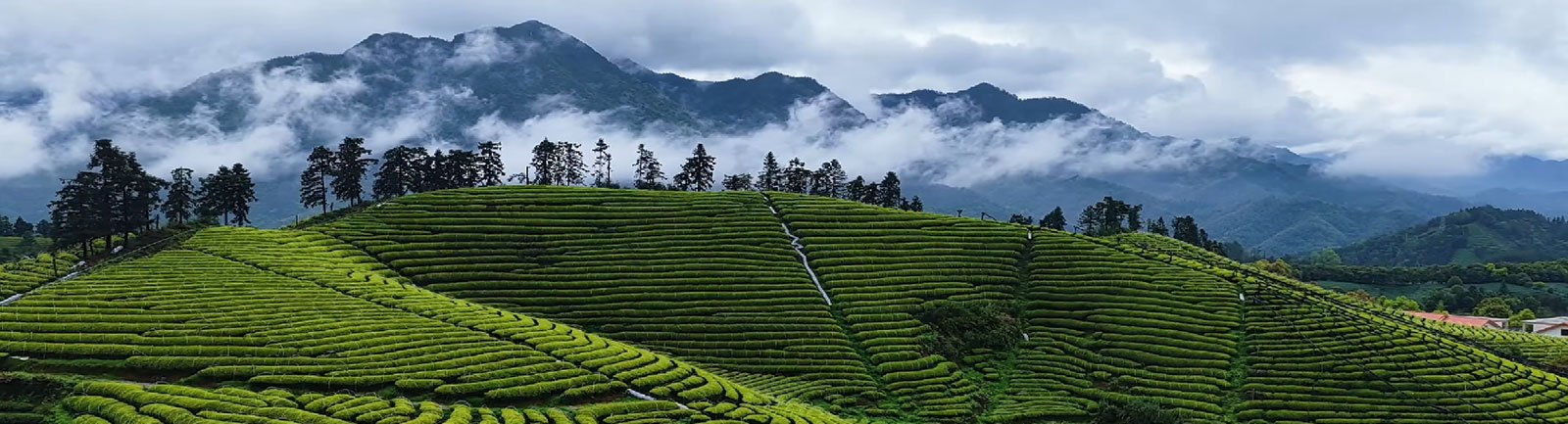
A1: Wuyi County is officially recognized as the “Town of Organic Matcha” in China. Its high-altitude tea gardens, consistent mist, and acidic, mineral-rich soil create a micro-climate strikingly similar to Japan’s top tea regions. This unique terroir ensures our matcha is naturally vibrant and low in bitterness, meeting the strictest international organic standards (USDA/EU).
Q2: How does Wumori's use of Japanese cultivars like Yabukita、Okumidori and Saemidori benefit B2B buyers?
A2: Most Chinese green tea powder uses local varieties suited for steeped tea. At Wumori, we specifically cultivated Yabukita (for its rich Umami flavor) and Saemidori (for its intense jade-green color). This “genetic advantage” allows us to offer a flavor and color profile that is nearly indistinguishable from high-end Japanese origins but at a significantly more competitive price point.
Q3: What makes your processing technology different from other Chinese suppliers?
A3: The “soul” of matcha is in the steaming. Our primary Tencha production line is Japanese-engineered, ensuring the enzymes are deactivated precisely to lock in the vibrant chlorophyll. While many suppliers use local parching methods, our Japanese-standard steaming process ensures the authentic “seaweed” aroma and avoids the dull, yellowish tint common in lower-grade powders.
Q4: How do you handle pesticide residue and heavy metal concerns?
A4: Transparency is our priority. Every batch of Wumori matcha is tested by third-party labs like SGS or Eurofins. We strictly follow FDA and EU pesticide limit standards. Our clients receive a full Certificate of Analysis (COA) with every shipment, ensuring 100% compliance for international customs.
Q5: Does Wumori offer custom blending for specific food applications?
A5: Absolutely. We provide Formulation Support. For example, if you are developing a matcha latte for a cafe chain, we can suggest a specific blend ratio that maintains color stability when mixed with milk or heat-processed. We help you balance “Color, Aroma, and Cost” based on your product’s final price point.
Q6: What are your ODM and Private Label capabilities?
A6: We are a one-stop partner for brands. We offer low-MOQ Private Labeling with various packaging options, including tin cans, pouches, and stick packs. Beyond the product, we also provide our partners with a Media Asset Kit (4K drone footage and professional photos) to accelerate your marketing efforts.
Q7: How is Wumori able to offer Japanese quality at a lower price?
A7: We eliminate the “Brand Premium” and “Multiple Middlemen” associated with Japanese imports. By owning the organic base in Wuyi and optimizing our vertical supply chain in China, we pass the cost savings directly to our B2B partners, offering a 30%-50% cost advantage without sacrificing the sensory experience.
